

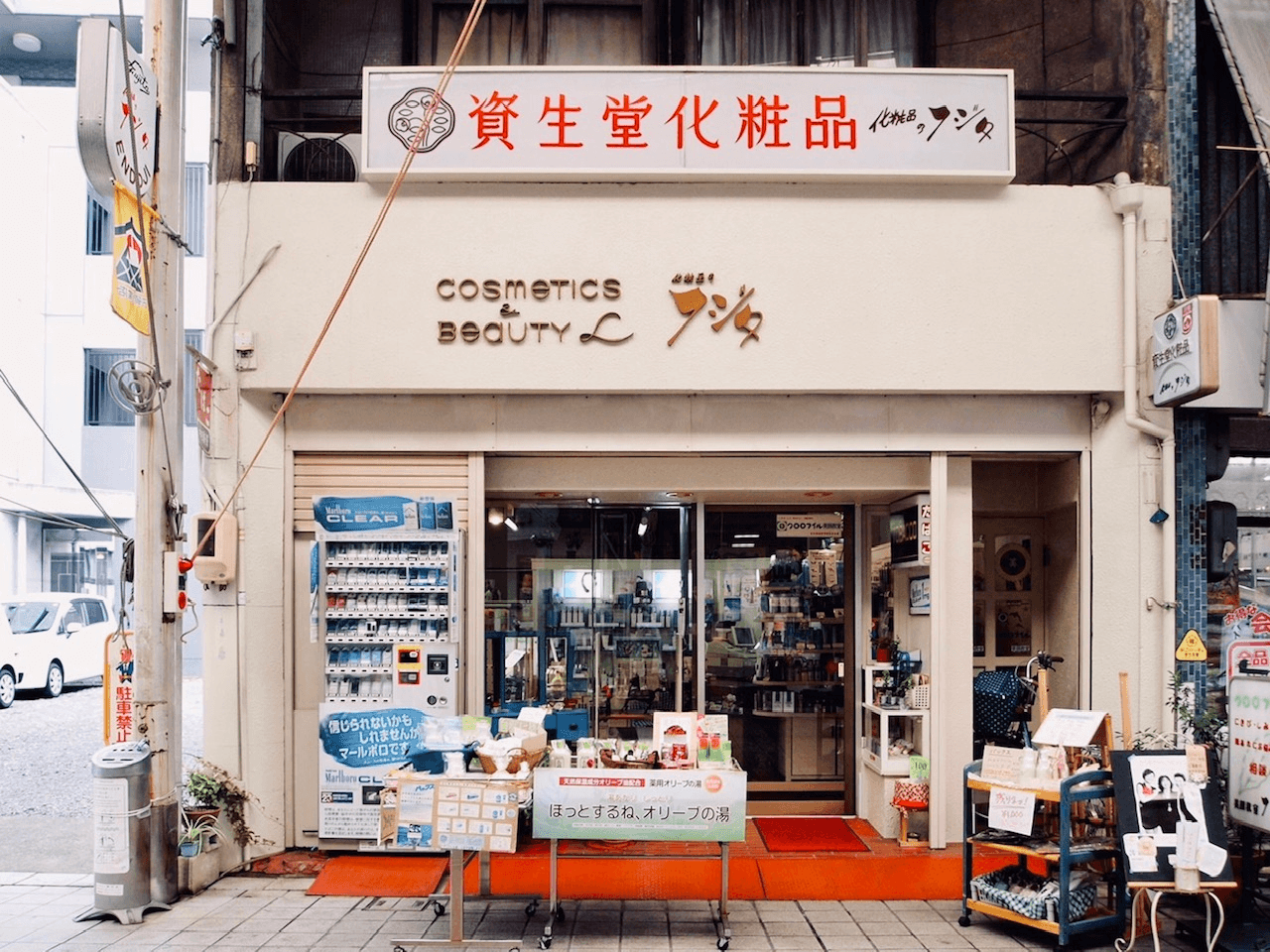
What you are about to read is an exclusive, in-depth study of Shiseido.
In a cosmetics industry long dominated by Europe and the U.S., Shiseido, born in Asia, has stood shoulder to shoulder with global giants. It has defined beauty and style for generations and earned worldwide acclaim. Yet after its peak came a steady decline—despite multiple transformation attempts in recent years, it remains constrained and struggling.
As Chinese companies enter an era of scale, diversification, and globalization, echoes from history offer valuable lessons.
Last week, we explored how it built its brand culture; next, we shift to its business model, unpacking both its rise and decline across two in-depth articles.
Author | Tojiro Kataya
Editor | Roy Zhang
Imagine a product backed by an iconic national brand, powered by a highly refined formulation, endorsed by top-tier celebrities, heavily advertised across every street, and readily available in any local drugstore.
Do you think such a product would succeed?
That product is the Shiseido TSUBAKI shampoo line mentioned at the end of our previous article.
In theory, given such favorable conditions, failure seemed impossible—and early results confirmed this: TSUBAKI achieved over 4 billion yen in sales in its first month and remained the No.1 shampoo brand from 2004 to 2008.
Yet the momentum did not last—within just three to four years, TSUBAKI fell into losses. How did a product born with overwhelming brand power and near-elite positioning collapse so quickly?
Viewed in isolation, the answer makes little sense; but zooming out to Shiseido as a whole reveals a different truth: TSUBAKI was not defeated by competitors, but undermined by Shiseido’s own business model.
At the core of this model lies Shiseido’s nationwide distribution system, meticulously built over 80 years since 1923. For over half a century, it stood as an unmatched benchmark—impossible for others to replicate—aligning with regulatory frameworks while enabling market expansion, brand building, and competitive dominance. It formed Shiseido’s most formidable moat, transforming it into a cosmetics empire spanning 25,000 retail locations.
How did this moat gradually transform into the very walls that constrained Shiseido itself?
This article is the second installment of GenBridge Capital’s Shiseido research series.
Across two articles, we explore Shiseido’s business model—this piece focuses on the formation and maturation of its distribution system, while the next explores its structural challenges and reform attempts.
Understanding this trajectory reveals why TSUBAKI’s failure became a microcosm of Shiseido’s broader transformation dilemma.
Let us first return 100 years back, to the great earthquake that nearly drove Shiseido into bankruptcy.
1916–1945: A difficult beginning
In the previous article, we noted that in 1916, under the leadership of the new president Shinzo Fukuhara, Shiseido formally transformed from a Western-style pharmacy into a modern brand, preparing for an ambitious expansion.
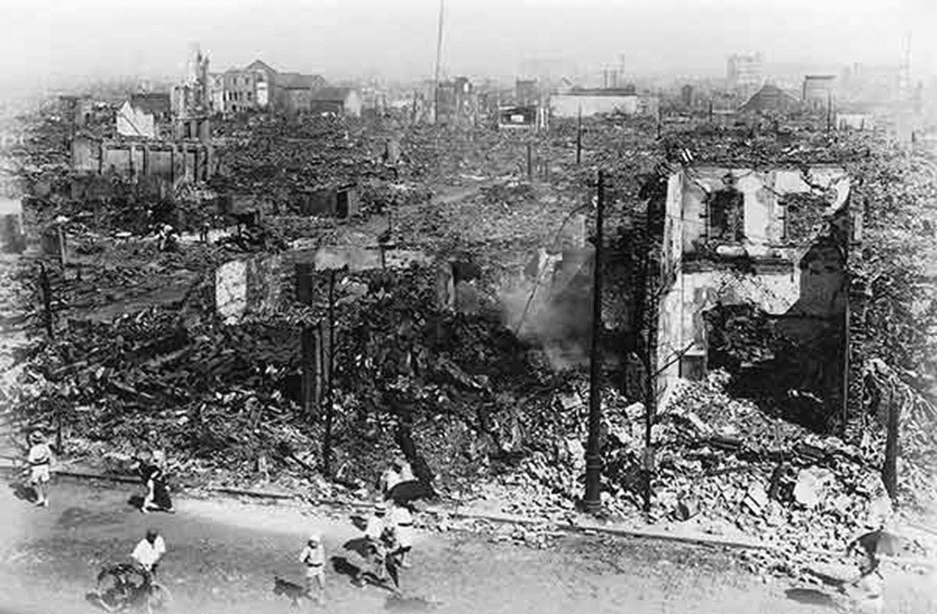
Tokyo in the aftermath of the Great Kanto Earthquake
In an effort to survive, the cosmetics industry was forced to liquidate inventory, causing a rapid collapse of the pricing system. The same bottle of Eudermine could be priced differently from one end of the street to the other.
Shiseido, which had just begun to build brand momentum, found itself deeply awkward amid widespread discount dumping, caught in a dilemma:
If it allowed price reductions, all prior accumulation in aesthetics and lifestyle would vanish, and brand equity would be erased; but if it did not, why would consumers pay two to three times more for a cosmetic product? And why would retailers risk unsold inventory just to keep Shiseido on their shelves?
Faced with this difficult situation, Shinzo Fukuhara chose what was, at the time, a “difficult but right path”: firmly refusing to cut prices while providing stronger justification for both retailers and consumers to choose Shiseido.
Step one: stabilize the pricing system. To control price chaos, Shiseido pioneered a “licensed storefront chain” model. As long as a store committed to unified pricing, it could display the Shiseido signboard, obtain brand usage rights and stable supply support, and secure its profit margin without being dragged into destructive price wars.
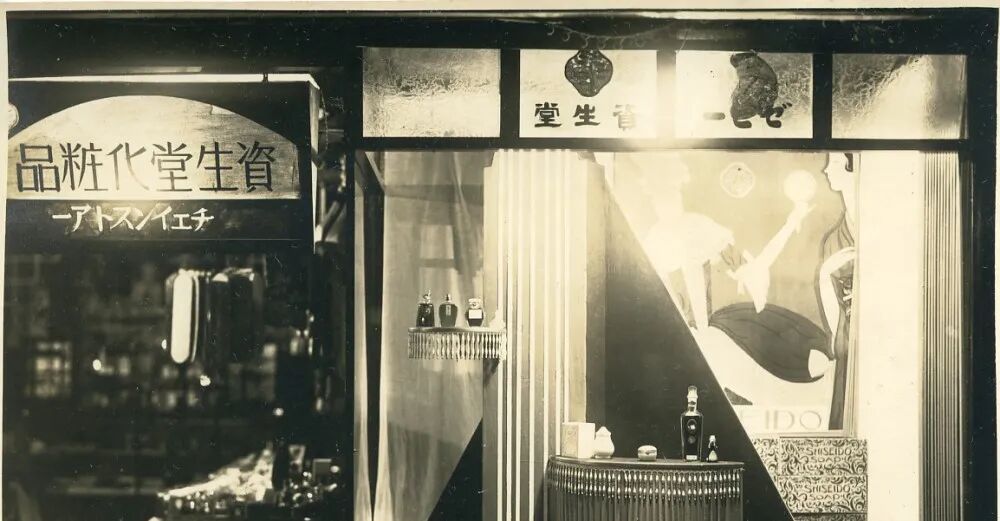
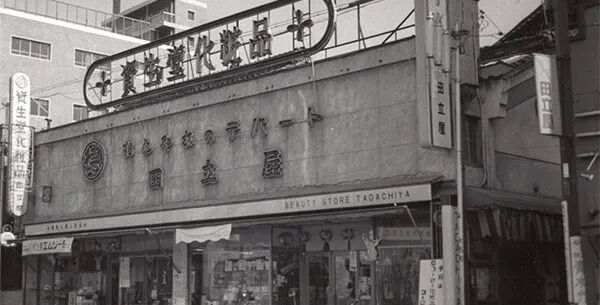
Small stores joining Shiseido’s licensed storefront chain
Step two: elevate product value. In 1934, Shiseido established the BA (Beauty Advisor) training system, dispatching professionally trained “Miss Shiseido” to licensed stores across regions, systematically educating store staff in beauty techniques, dermatology, physiology, and even public speaking.
In doing so, these licensed stores evolved from simple retail outlets into experiential brand spaces offering beauty consultation, significantly enhancing perceived consumer value.
Third, Shiseido established the membership system “Hanatsubaki Club,” disseminating beauty and lifestyle content to Japanese women through periodicals and member salons, along with points systems and gift redemption mechanisms—essentially forming a women’s community centered on Shiseido products and a shared lifestyle framework.
In the global cosmetics industry, Shiseido became the first modern CRM pioneer to successfully integrate brand aesthetics, professional education, and community culture.
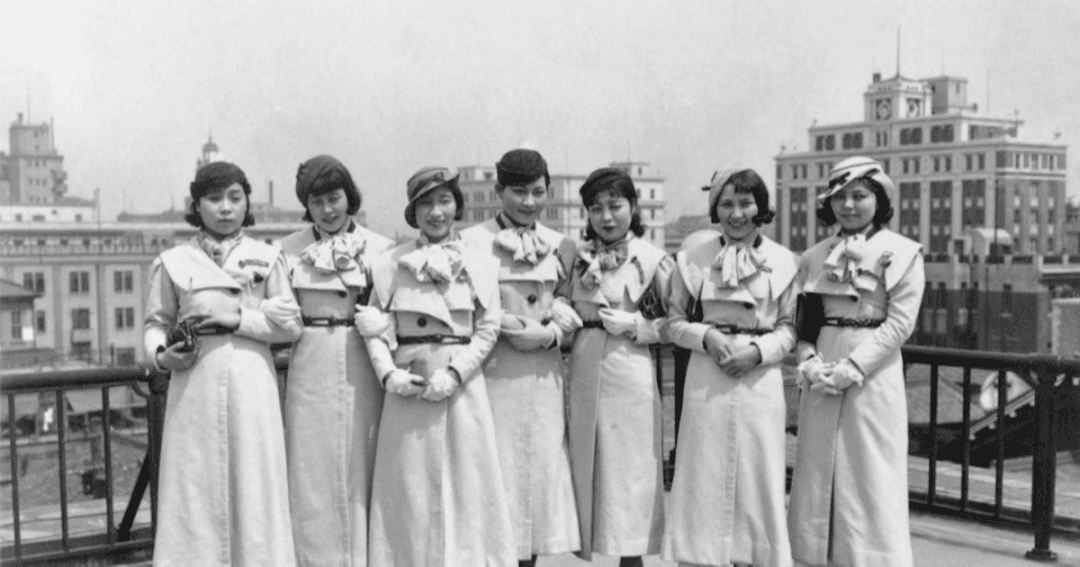
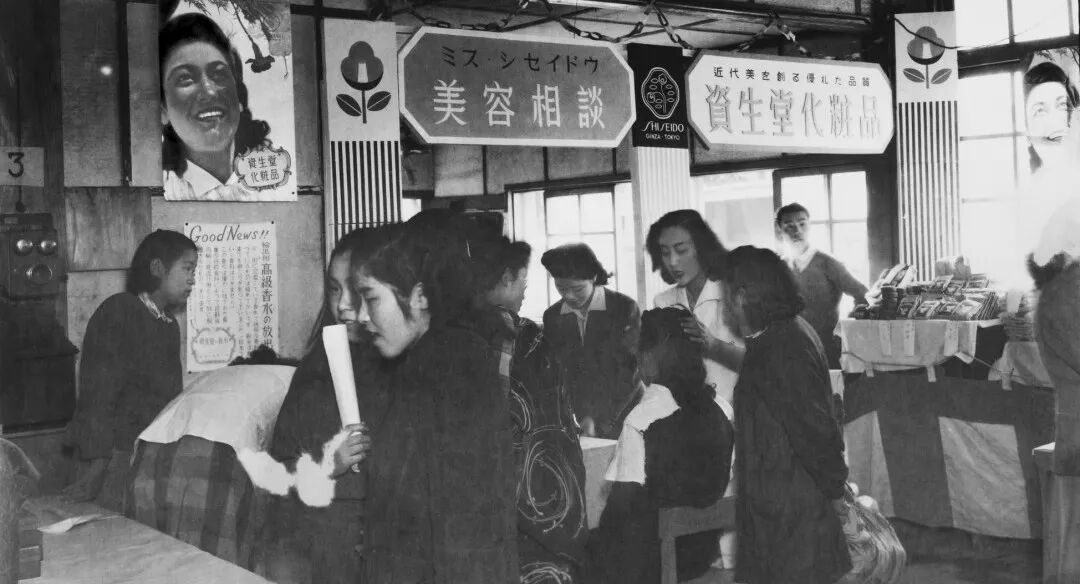
Top: Miss Shiseido; Bottom: BA providing beauty consultation
Finally, Shiseido built a full-spectrum product matrix from entry-level to premium, offering options across different consumer tiers. Although positioned differently, all sub-brands carried the Shiseido name. For Shiseido, the most important asset was the “Shiseido” brand itself, under which all product lines operated—this was known as the “House of Shiseido.”
Through these initiatives, Shiseido avoided price competition, yet reshaped the very standard of “why a product is worth buying” via its distribution system and professional services, laying the foundation for its future business model.
However, for the cosmetics industry, the most devastating force was neither earthquakes nor economic crises, but war. After World War II broke out, cosmetic taxes surged and raw materials became scarce, forcing Shiseido to seek financing from distributors. Driven by trust and emotional ties to the brand, distributors across regions injected capital into Shiseido, and in return received equity stakes. The company ultimately survived its most difficult period and went public in 1949.
Looking back at the first 50 years since its founding, Shiseido was almost constantly struggling through repeated crises. Its symbiotic relationship with distributors served as a lifeline during those difficult years. Yet at the time, no one could have foreseen that this very structure would eventually become its heaviest burden.
1950–1985: Full throttle growth
After World War II, Japan entered a golden era of economic recovery. From 1950 to 1973, average annual household income surged from 10,000 yen to 160,000 yen—effectively a 10% annual increase in purchasing power. With deeper pockets and rising consumption, a once-desolate consumer sector finally came back to life and entered a phase of explosive expansion.
At the same time, Japanese society underwent rapid Westernization. Emerging mass media such as film and television accelerated the influx of Western pop culture—led by icons like Audrey Hepburn and Twiggy—into Japan at an unprecedented pace. Western lifestyles, once niche pre-war fashions, quickly became mainstream everyday consumption.
Within this consumption boom, cosmetics emerged as one of the biggest beneficiaries.
Postwar Japan enforced strict antitrust regulations; however, for special industries such as cosmetics and publishing—where safety and cultural considerations were critical—the government made exceptions. In 1953, it introduced the Resale Price Maintenance System, allowing brands to standardize retail prices to safeguard long-term brand development. Any price-cutting by retailers could be directly challenged through legal action.
Protected by the new regulatory framework, traditional players relying on open-shelf retail and price competition—such as Nakamura Taiyodo and Hirao Zampyodo—saw their competitiveness sharply decline. In contrast, brands emphasizing distributor networks or direct field sales, including KOSE, Kanebo, and POLA, entered a historic period of growth.
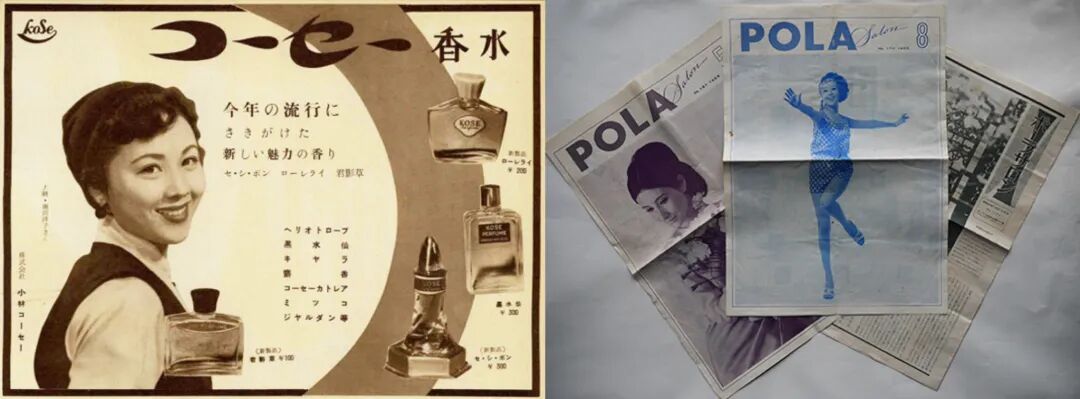
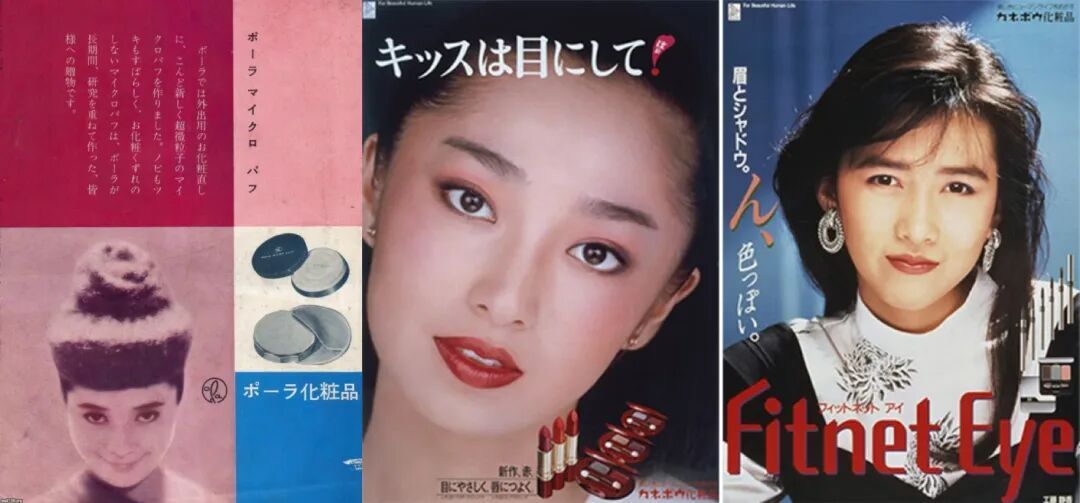
Postwar flourishing of cosmetics brands
Yet the biggest winner remained Shiseido, whose revenue soared from 2.1 billion yen in 1952 to 9 billion yen in 1957—more than quadrupling within five years.
Every tailwind of the era seemed tailor-made for Shiseido:
Amid profound social and cultural transformation, mass consumers were eager to embrace new fashion trends. Having already served as an ambassador of Western lifestyle before the war, Shiseido naturally emerged as a new authority. Its long-standing investment in aesthetics and design also aligned seamlessly with the visual age dominated by film and television.
More importantly, in periods of surging demand, the winner was whoever could reach the most consumers. Shiseido had already expanded to over 2,000 licensed stores through its storefront chain model. With pricing power now legally protected, it enjoyed sufficient margins to reinvest in store expansion and the refinement of its BA sales system, further strengthening its moat.
Within the BA system, Shiseido developed a highly structured training and management framework. From tone of voice and product-handling gestures to makeup styling, sales scripts, and even methods for reading customer emotions and purchase intent—everything was standardized. These BAs were directly managed and evaluated by headquarters, independent of distributors, allowing the brand to bypass intermediaries and directly control consumer experience.
A former president of Shiseido’s sales company, Mr. XL, revealed the core KPI performance of BAs (sales per working hour and gross profit per working hour): in the 1990s, each BA averaged 20,000 yen in sales per hour, generating 5,000 yen in profit for distributors.
To maintain strong relationships between distributors and the brand, headquarters supervisors were required to remember key personal events of every distributor family, including birthdays, illnesses, and family changes. They would attend funerals and continue visiting on memorial anniversaries for years. Driven by both shared interests and emotional bonds, Shiseido’s distribution system continued to expand in scale.
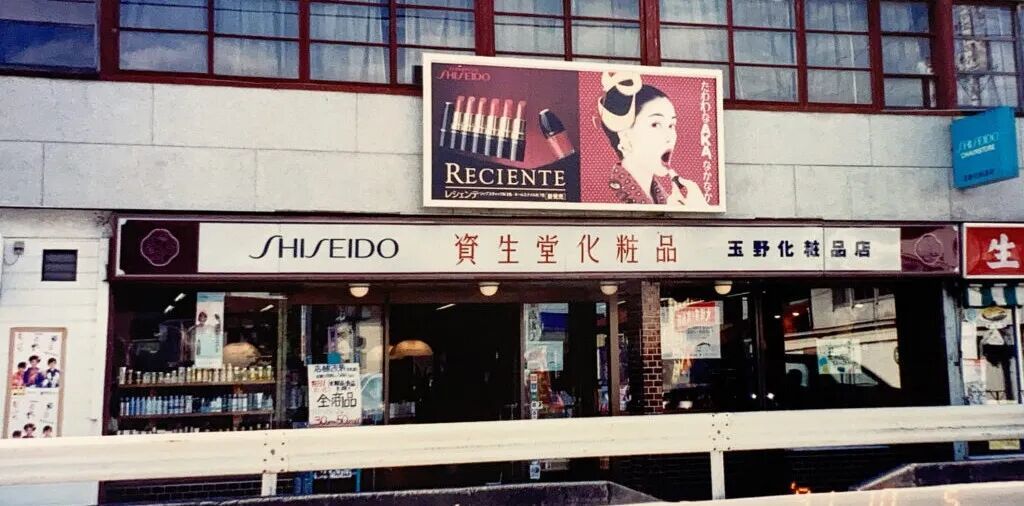
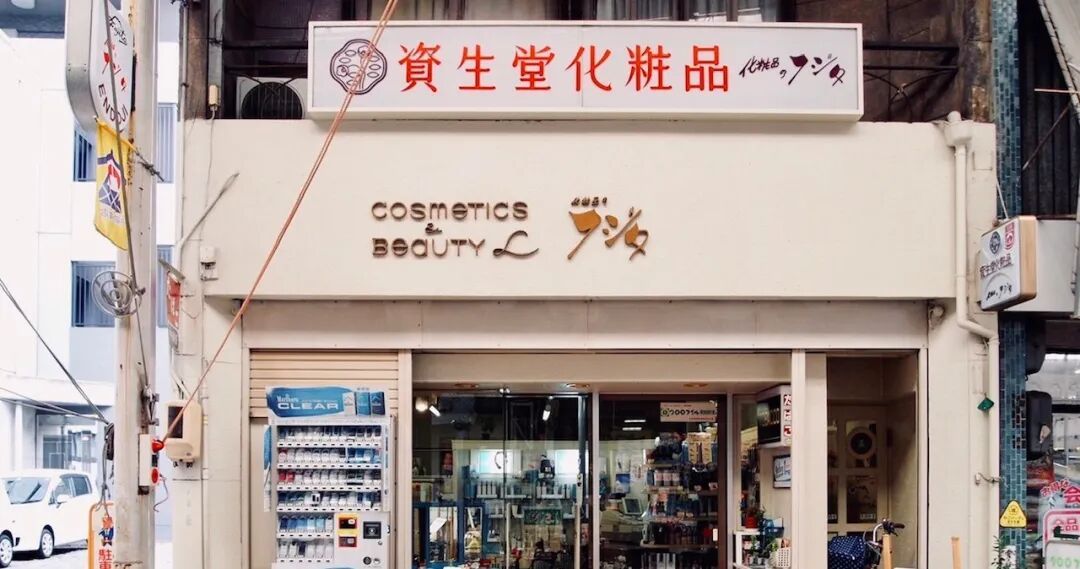
In an era before fragmented attention, scale represented not only sales volume, but absolute brand power.
Each distribution outlet functioned as a brand showcase space. Whether in cities or rural areas, consumers could enter a Shiseido-branded store and, within carefully designed interiors, experience aesthetics crafted by a top-tier Asian marketing team and salon-level beauty consultation from Ginza.
In 1966, Shiseido launched the “Beloved by the Sun” summer campaign. Eighteen-year-old model Bibari Maeda appeared with a Hawaiian-inspired, sun-kissed complexion, completely overturning Japan’s traditional preference for pale beauty. The campaign posters, so aesthetically powerful, were repeatedly stolen from stores by consumers for collection, becoming a legendary anecdote in Japanese advertising history.
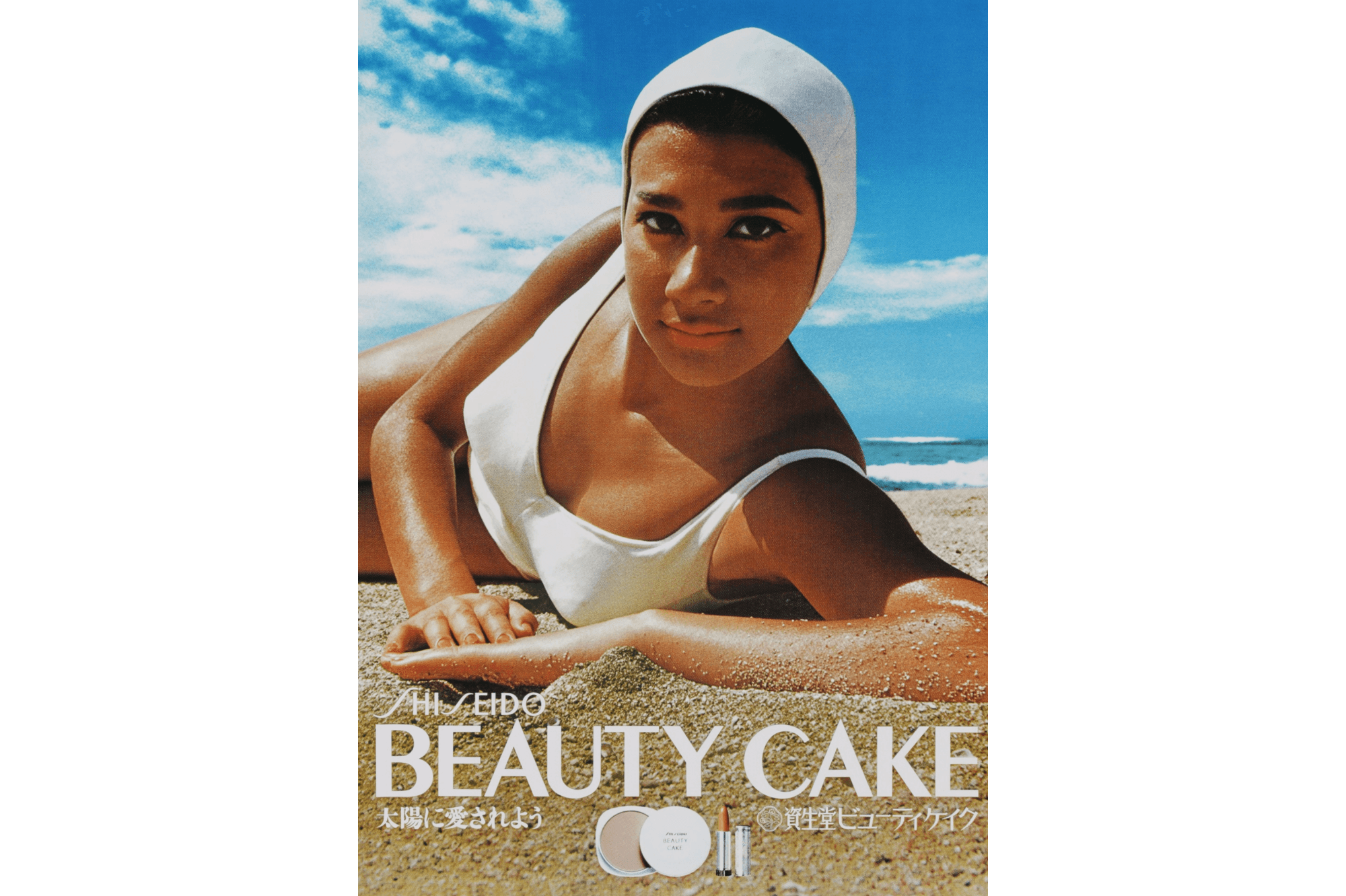
“Beloved by the Sun” campaign poster
By the mid-1980s, Shiseido was growing at 20–30% annually, with market share reaching nearly 30%, effectively dominating the Japanese cosmetics market. It had built approximately 25,000 retail outlets. To put this into perspective: Japan today has over 50,000 convenience stores—meaning Shiseido’s store density at the time was already half that level, penetrating nearly every town and village.
For foreign brands, Shiseido’s vast distribution network was nearly impossible to penetrate, forcing them to remain confined to department store counters. For domestic competitors using similar distribution models, Shiseido’s richer brand narrative, more diversified product portfolio, and more standardized experience made it extremely difficult to displace its unique position in consumers’ minds.
More formidable still, this competitor was not only large and marketing-savvy, but also patient—willing to be a long-term player and invest in scientific research for the future.
It was during this period that Shiseido systematically invested in fundamental dermatological research. Prior to this, no company had applied rigorous scientific methods to such empirical studies. After nearly 20 years of sustained investment, CPB (Clé de Peau Beauté), Japan’s first skincare brand to rely on scientific data for marketing, was launched in 1982, becoming another powerful revenue engine for Shiseido.
At this point, Shiseido had truly become a near-perfect cosmetics empire across every dimension. All indicators were rising, and all competitors had been left behind. Yet within just a few years, this seemingly unshakable system would begin to collapse from within.
1985–1995: The first transformation
In 1985, the signing of the Plaza Accord triggered a sharp appreciation of the yen, improving profit margins for overseas brands in Japan and intensifying market competition. From the late 1980s to the early 21st century, the market share of European and American beauty brands rose from 2% to 10%. Meanwhile, after industry shipment value expanded from 70 billion yen in 1980 to 140 billion yen in 1990, market penetration finally approached saturation, and the cosmetics industry gradually entered an era of incremental stagnation.
Amid Japan’s bubble economy, the broader business world continued to “dance while the music played”; yet cosmetics companies had already begun sensing that the direction of the market was shifting.
As the market leader, Shiseido was the first to feel the pressure. From 1985 to 1987, growth nearly stalled, while profit margins fell below 3%. To make matters worse, in 1987 the company’s seventh president suddenly passed away due to illness, plunging the organization into turmoil.
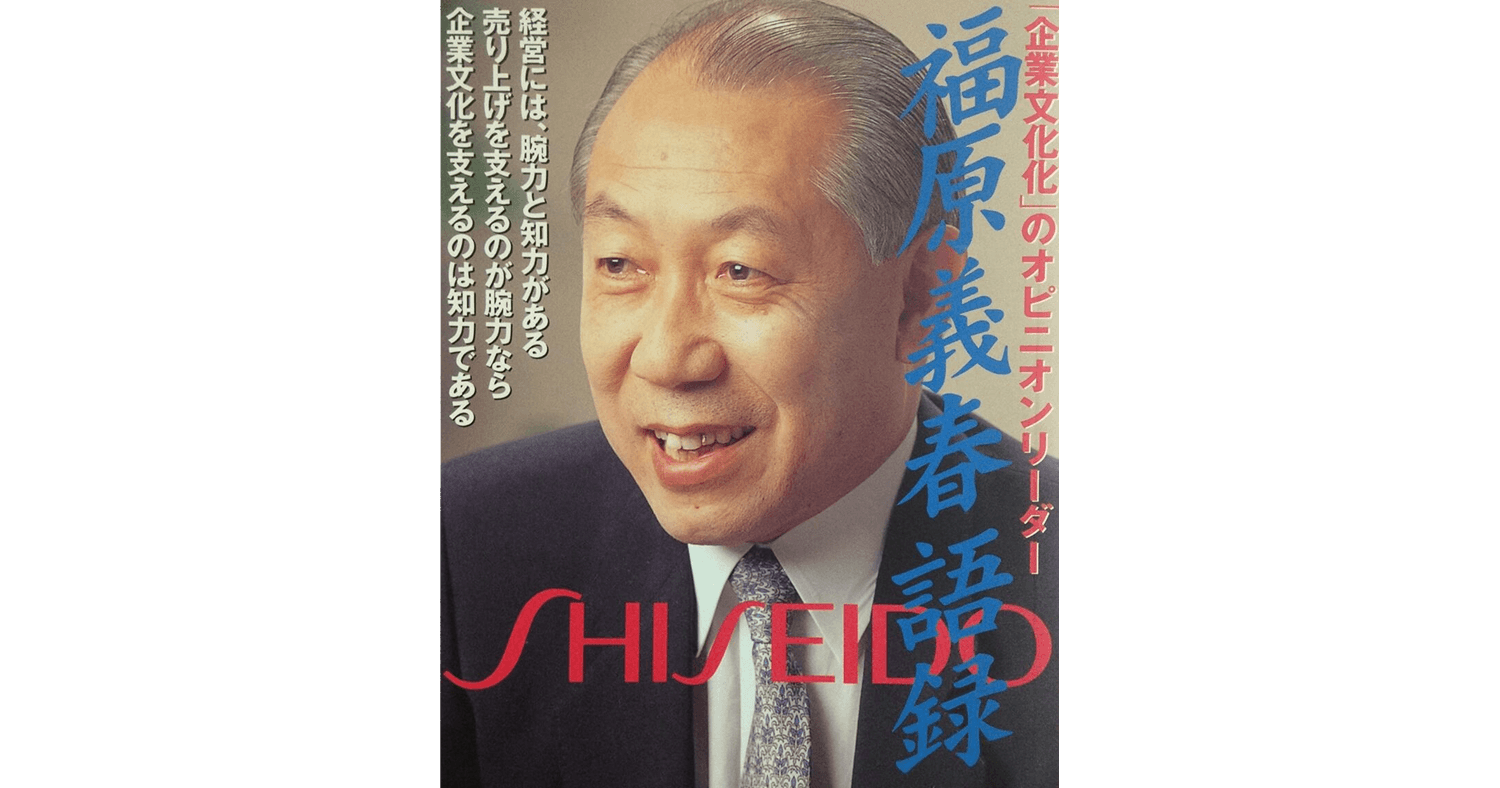
At this critical moment, Yoshiharu Fukuhara, grandson of Shinzo Fukuhara, stepped in as president. After taking office, he spent three months conducting a comprehensive diagnosis of the company to uncover the cause of stagnation. What he discovered kept him awake at night: Shiseido’s inventory crisis had become extraordinarily severe, with 40 to 50 billion yen worth of unsold products circulating in the market, threatening collapse at any moment.
How had this happened?
Although growth had already slowed, headquarters still measured performance primarily by shipment volume. To hit targets, the sales division pressured distributors to absorb inventory, while distributors, motivated by partnership incentives and rebate structures, continued accepting excess stock.
Ordinarily, excess inventory would have been cleared through discounting. However, regulations prohibited price-breaking in the cosmetics industry, causing unsold products to continue accumulating across distribution channels. This, in turn, caused headquarters to further misjudge real demand and continue shipping products, eventually creating inventory levels equivalent to nine months of supply.
As a descendant of the founder, Yoshiharu Fukuhara carried a sense of responsibility that extended beyond that of a professional manager. He launched a reform initiative called “New Shiseido,” marking the first large-scale self-restructuring in the company’s history.
The most urgent priority was resolving the inventory crisis. Beginning in 1988, headquarters directly controlled shipment volumes, eliminating 30 billion yen of inventory over three years and reducing inventory backlog at sales companies from 2.7 months to 1.5 months. Meanwhile, 9,000 BAs and 1,500 supervisors were reassigned from headquarters to frontline operations in an effort to bring the organization closer to both the market and consumers.
At the same time, in pursuit of greater efficiency and lower costs, Shiseido made a painful decision: restructuring its bloated sales organization by reducing 72 regional sales companies and 26 branch offices into just 15 sales companies nationwide.
In a book published in 1989, Yoshiharu Fukuhara wrote: “The current corporate structure and its managers are remnants of the high-growth era, and have become obstacles to further development. What once served as the driving force of growth must now be broken apart with courage.”
At the same time, Yoshiharu Fukuhara sought new growth engines for a stagnating Shiseido. His strategy unfolded along two key initiatives:
First, diversification. Fukuhara proposed the concept of “satellite businesses,” incubating adjacent sectors such as dining, culture, and healthcare around Shiseido’s core operations.
He opened the L’Osier French restaurant in Ginza, which remains a benchmark of Michelin three-star dining to this day; he also launched the curated fashion boutique The Ginza, selling carefully selected global fashion items and creating an experimental ground for the future premium skincare line of the same name.
On the scientific front, Shiseido achieved industrial-scale production of bio-fermented hyaluronic acid, becoming the first to commercialize it at scale for skincare applications, thereby establishing a biotechnology moat for the group. On the cultural front, Shiseido actively organized art exhibitions and salons, continuing to expand its brand culture and cultural assets.
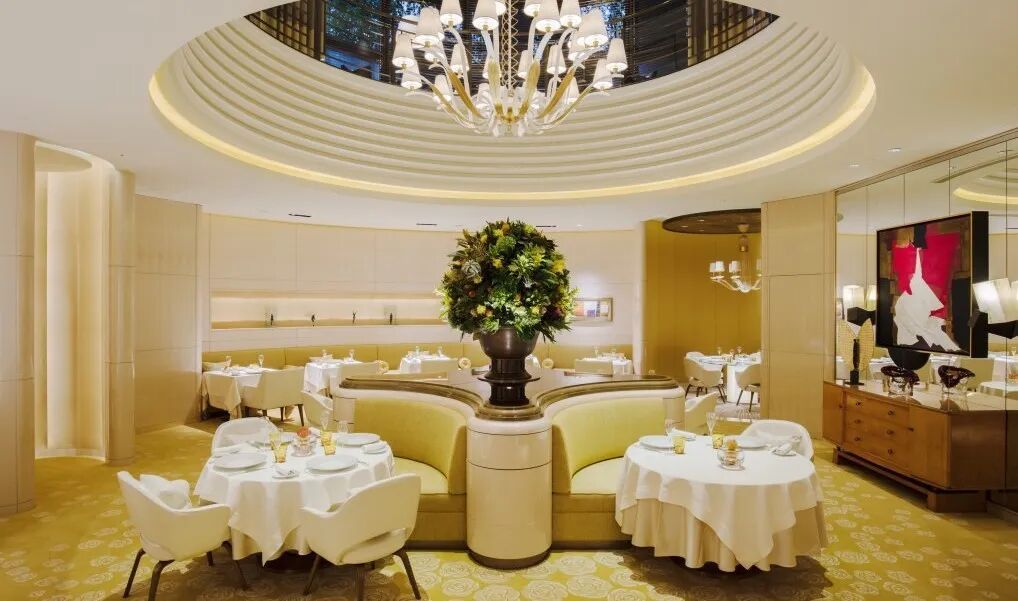
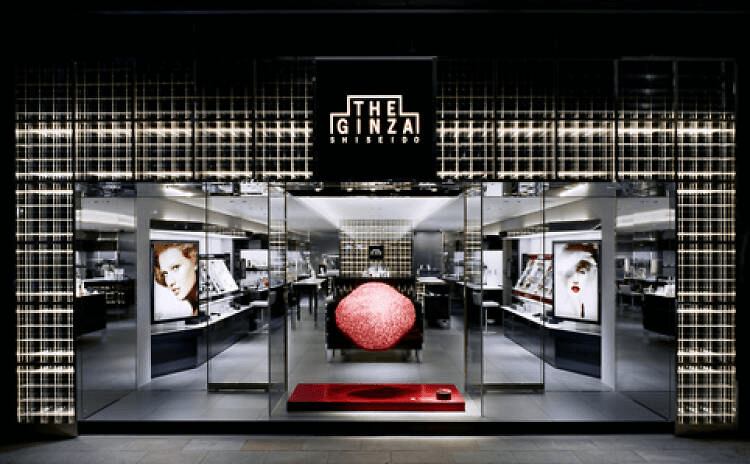
Top: L’Osier French restaurant; Bottom: The Ginza boutique
Second, seeking incremental growth overseas.
Shiseido had begun expanding overseas as early as the 1960s, though results had long remained underwhelming. Under Yoshiharu Fukuhara, the company learned from past failures and moved away from “Tokyo headquarters remote-control management” toward localized operations, achieving meaningful progress.
From the late 1980s to early 1990s, Shiseido established research centers and new factories in France, while hiring former Yves Saint Laurent senior vice president Chantal Roos and delegating management authority to local operators. This enabled a fully localized operating chain spanning R&D, production, marketing, and sales. Soon after came the success of Issey Miyake’s L’Eau d’Issey fragrance in France.
In China, Shiseido established the Sino-Japanese joint venture “Shiseido Liyuan Co., Ltd.” in 1991, built production facilities in 1993, and launched the AUPRES brand in 1994 for local Chinese consumers. By occupying the then-underserved mid-range skincare segment, AUPRES enabled Shiseido to establish a genuine foothold in China, eventually becoming one of its most important revenue sources in the market.

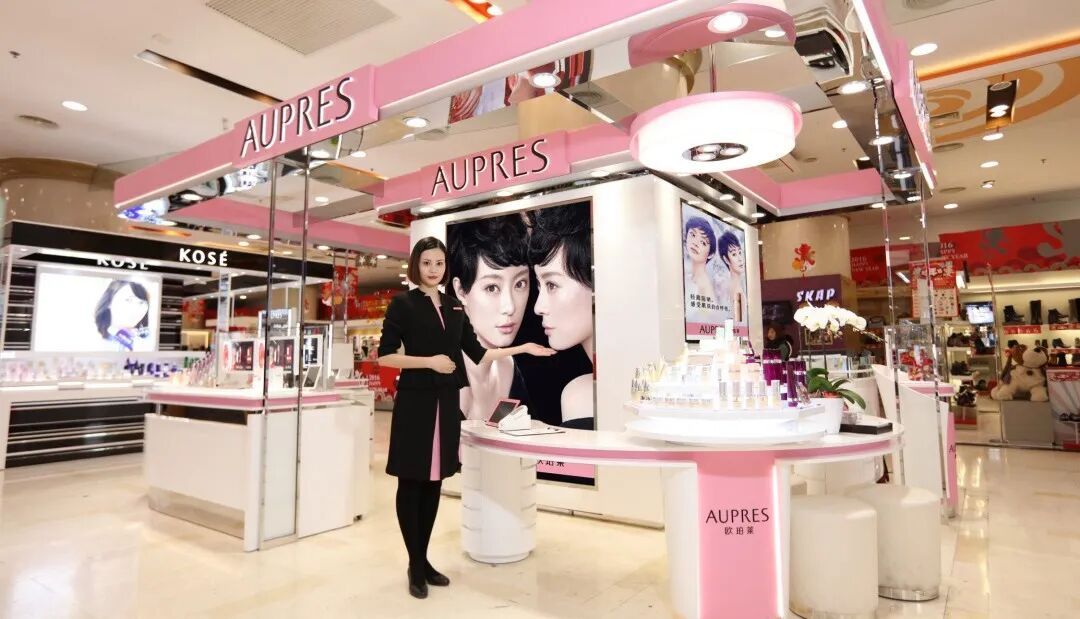
Top: Issey Miyake’s L’Eau d’Issey fragrance; Bottom: AUPRES counters in China
After nearly a decade of reform, Shiseido finally reached an encouraging turning point in 1995: revenue stabilized, modest growth resumed, and its market position was temporarily preserved.
However, Yoshiharu Fukuhara’s reforms merely applied the brakes. They prevented immediate collapse, but failed to fundamentally change the company’s underlying engine.
Mr. XL, former president of a Shiseido sales company, described the anxiety of that period this way: “Compared with creating new growth, the ‘New Shiseido’ reforms felt more like firefighting… We all knew Shiseido might not be able to hold on much longer.”
(To be continued. Stay tuned.)
References
1. Lisa Eldridge. Face Paint: The Story of Makeup. New York: Abrams Image, 2015.
2. Junichi Mizuo. The Brand History of Cosmetics — Culture, Trends, and Marketing. Chuokoron Shinsha, 1998.
3. Yasuto Ida. A Business-Historical Study of Major Cosmetics Manufacturers. Koyo Shobo, 2012.
4. Yoshiharu Fukuhara. My Multitrack Life. Iwanami Shoten, 2007.
5. Yoshiharu Fukuhara & The Cultural Capital Research Association. The Management of Cultural Capital — What Companies and Executives Must Consider in the Coming Era. Diamond, Inc., 1999.
6. Kazuyuki Komiya. From Paris: Shiseido’s Challenge to Become a Global Brand. 1993.
7. Manabu Yamamoto. The New Shiseido Management — A Pioneer of Strategic Marketing Thinking. 1990.
8. Shigeru Shiozawa. Documentary: Shiseido International Strategy Group. 1984.