

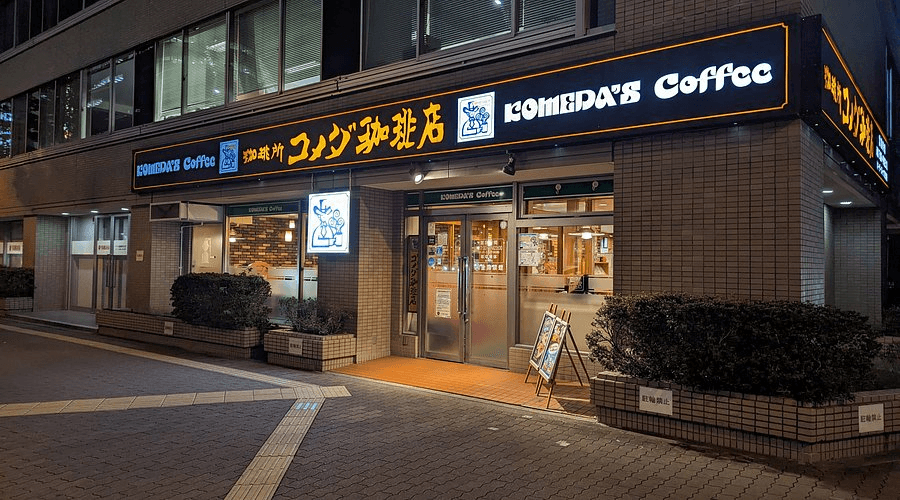
When studying overseas restaurant companies, I came across a counterintuitive coffee chain: Komeda. Viewed through the lens of traditional foodservice logic, many of its practices seem difficult to understand:
Why does it tolerate, and even encourage, customers to linger over their seats, while peers are fighting to improve table turnover?
Why does it openly sell factory-brewed “pre-made coffee” when everyone else is promoting specialty, freshly ground coffee?
Why, despite being a café, are its most popular items sandwiches and cream buns?
Most remarkably, despite all this, in Japan’s restaurant industry, where margins are generally thin and the average net margin is negative, Komeda has maintained an operating margin of around 20% over the years, a net margin consistently above 10%, and a price-to-earnings ratio of roughly 21x.
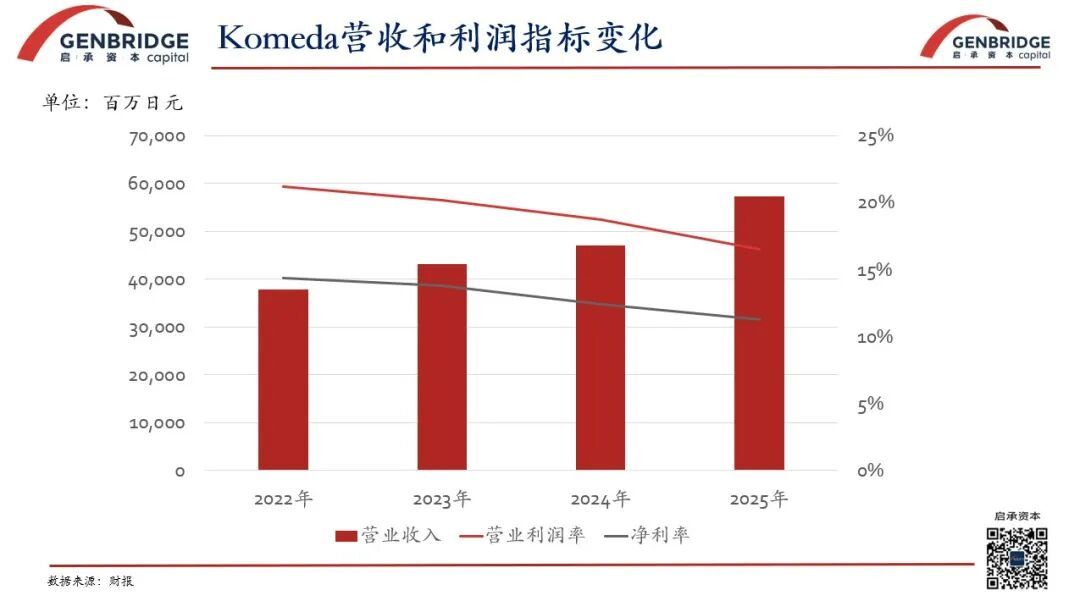
In the capital markets, it went through a remarkably clear relay among buyout funds: in 2008, Advantage Partners acquired a controlling stake for approximately JPY 15 billion; five years later, MBK Partners took over at around JPY 43 billion; by the time Komeda went public in 2016, its total market capitalization had reached approximately JPY 85.8 billion. With each transfer of ownership, its valuation roughly doubled.
How did a slow-service restaurant that encourages customers to linger and sells pre-made coffee continue to win over discerning investment funds?
In this article, we will unpack the case of Komeda and examine how, in the red ocean of foodservice, it broke away from price wars and carved out its own path to profitability.
What else can a coffee shop sell besides coffee?
What exactly is the core competitiveness of a coffee shop?
If you were to ask this question randomly on the street, most people’s first response would probably be “affordability” or “good taste.” But if you ask a regular Komeda customer why they keep going back, the answers are often unexpected:
“The space is spacious enough, and it feels comfortable to sit there.”
“Because the internet is very fast, there are power outlets at the seats, and it is well suited for meetings.”
“The single seats feel very secure. You can sit there in your own bubble, empty your mind, and zone out for an entire afternoon without anyone caring.”

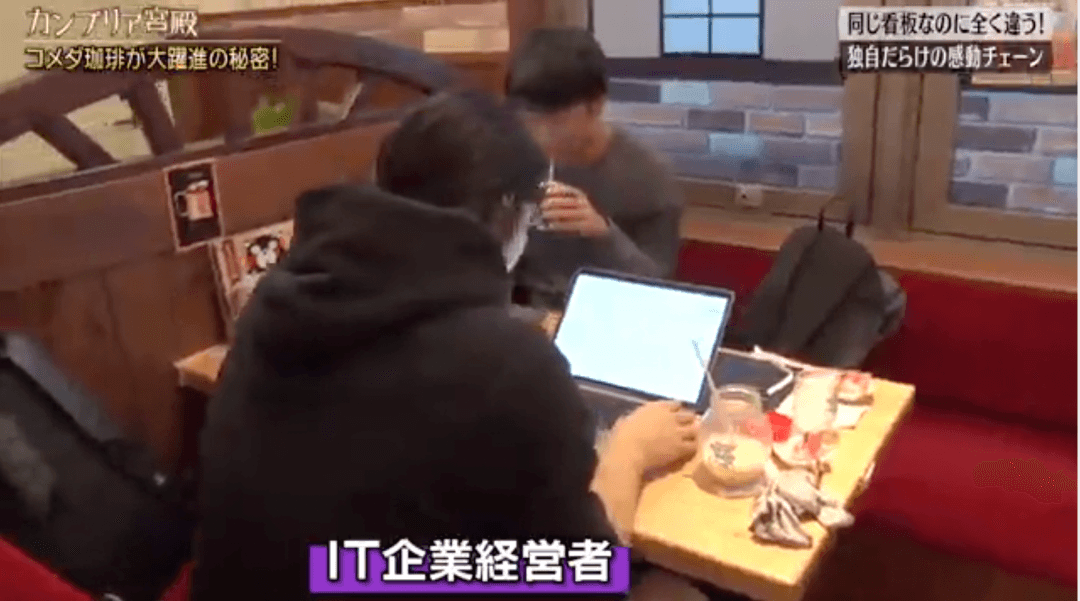
This is precisely Komeda’s most fundamental trump card: on the surface, it sells coffee; in reality, it sells space.
Of course, it is nothing new for cafés to function as a “third place.” From Starbucks, the global giant that defined the concept in its early years, to the specialty coffee chains that continue to emerge in commercial districts, everyone understands that space is an indispensable part of this business.
So, at a time when all kinds of players are locked in intense competition, how has Komeda managed to differentiate its space-driven business? The answer begins with its highly interesting origin story.
In 1968, founder Taro Kato opened the first Komeda in Nagoya. At the time, Japan was experiencing its first wave of coffee consumption, and young people were beginning to learn how to drink coffee. But Starbucks had not yet entered the public consciousness, and Japan’s café market was still largely blank. Large-scale coffee shops like Komeda, equipped with spacious parking lots, were especially rare. With this first-mover advantage, Komeda grew rapidly.
Komeda originated in Nagoya and nearby Gifu Prefecture, the region with the highest café spending in Japan. It also has a distinctive “Morning” culture: as long as customers order a cup of coffee, the café provides a generous breakfast set for free. Local people do not go to cafés simply to drink coffee; they go to enjoy a leisurely morning.
It can be said that from the very beginning, Komeda’s culture carried the DNA of “leisurely enjoying coffee and breakfast on a beautiful morning.” Later, as Komeda expanded nationwide, what it was really doing was packaging this regional culture of the community living room and Morning service through a standardized supply chain, and selling it to all of Japan.
Once this background is understood, it becomes easy to see that Komeda has followed a completely different path from Starbucks and specialty coffee chains.
When Starbucks first built the idea of a third place, it sought to create a buffer zone between home and work. But as the business evolved, its transparent floor-to-ceiling windows and open communal tables came to resemble a mobile office. It feels natural to discuss business or work on a laptop there, but difficult to truly relax.
Specialty coffee chains, by contrast, sell more of social capital and visual experience. Young people go there to try new specialty drinks and take attractive photos for social media. The act of going there itself carries a clear social purpose.
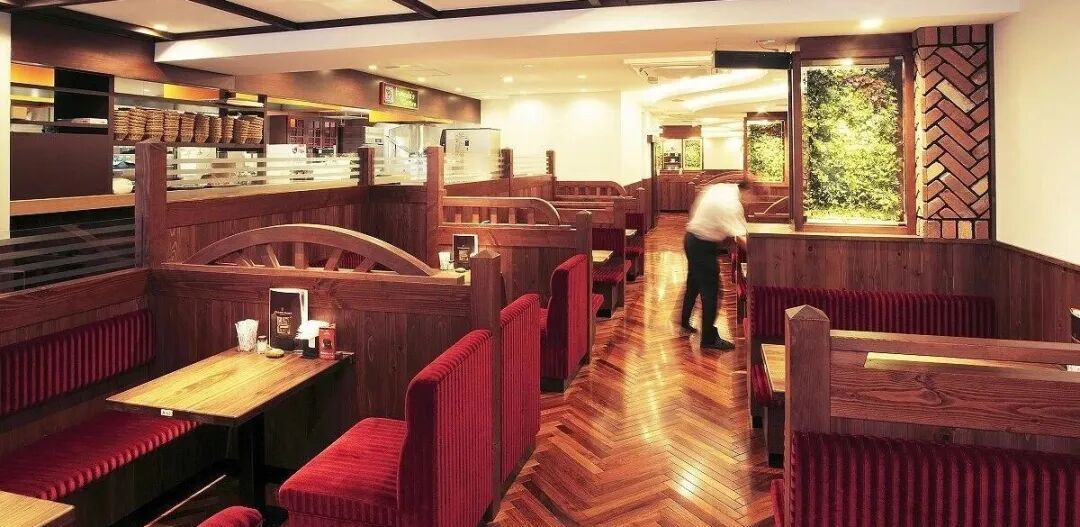
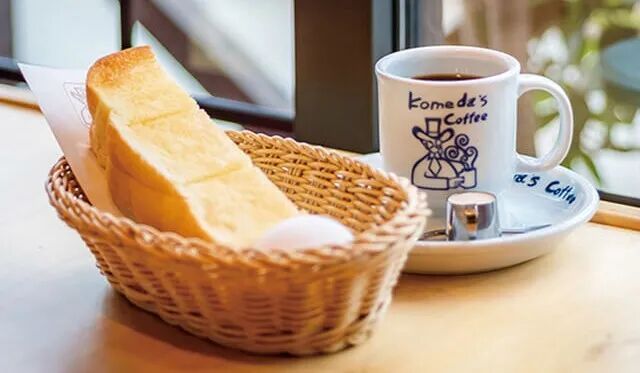
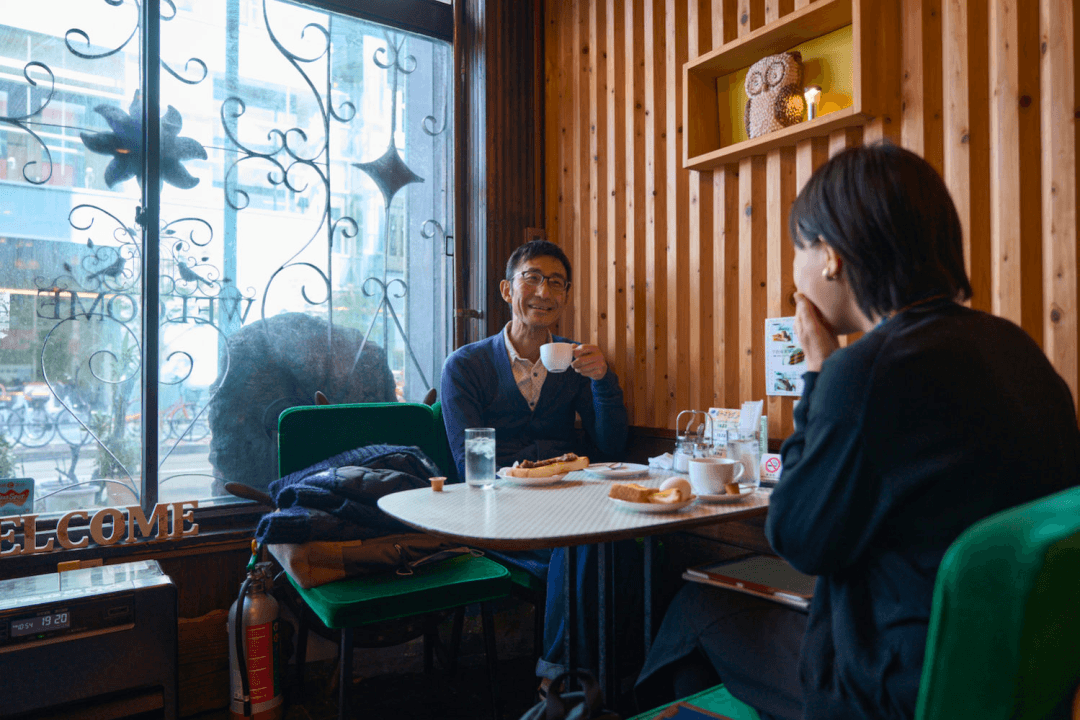
By comparison, what Komeda provides is a sense of ease and security.
In terms of interior design, Komeda places great emphasis on the warmth of materials. According to statistics, visible wood accounts for more than 40% of the interior of a typical Komeda store, twice the level of an average Japanese home. Extensive solid-wood structures, paired with its signature red velvet high-back sofas and warm yellow lighting, visually create semi-enclosed compartments and psychologically provide customers with a strong sense of being embraced.
In terms of site selection, Komeda follows a philosophy of “the countryside surrounding the city.” Most of its stores are located away from the centers of first-tier cities and deep within local communities, allowing it to avoid close-range combat with formidable competitors. People come to Komeda not merely to grab a cup of coffee and leave in a hurry, but to sit down and slowly pass the time.
Moreover, in the planning of roadside stores, Komeda often provides large parking lots that can accommodate 30 to 40 cars. Whether customers stop by after work for a short rest or visit with the whole family on weekends, Komeda firmly captures the everyday time of surrounding neighborhoods and becomes a piece of community living infrastructure.
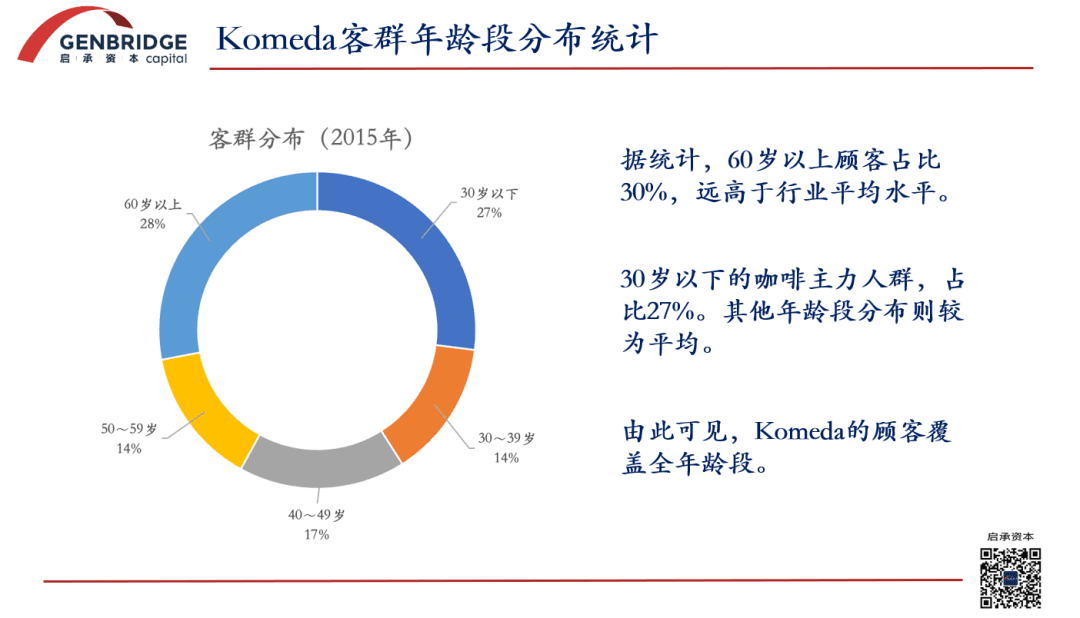
From elderly men and women to full-time homemakers, from urban white-collar workers to high school students, Komeda is like an old friend from the Showa era, welcoming every customer. You do not need to dress up specially just to have a cup of coffee. Even if you have just finished grocery shopping and walk in wearing the simplest home clothes and slippers, nothing feels out of place.
Can experience and efficiency actually coexist?
Today’s chain restaurant industry is doing everything possible to pursue efficiency: stores are becoming smaller, staffing levels are getting leaner, and delivery orders are accounting for a larger share of business. Komeda, however, has chosen the opposite path. It not only operates large-format stores, but also retains manual ordering, continually refines the customer experience, and even encourages customers to stay for extended periods.
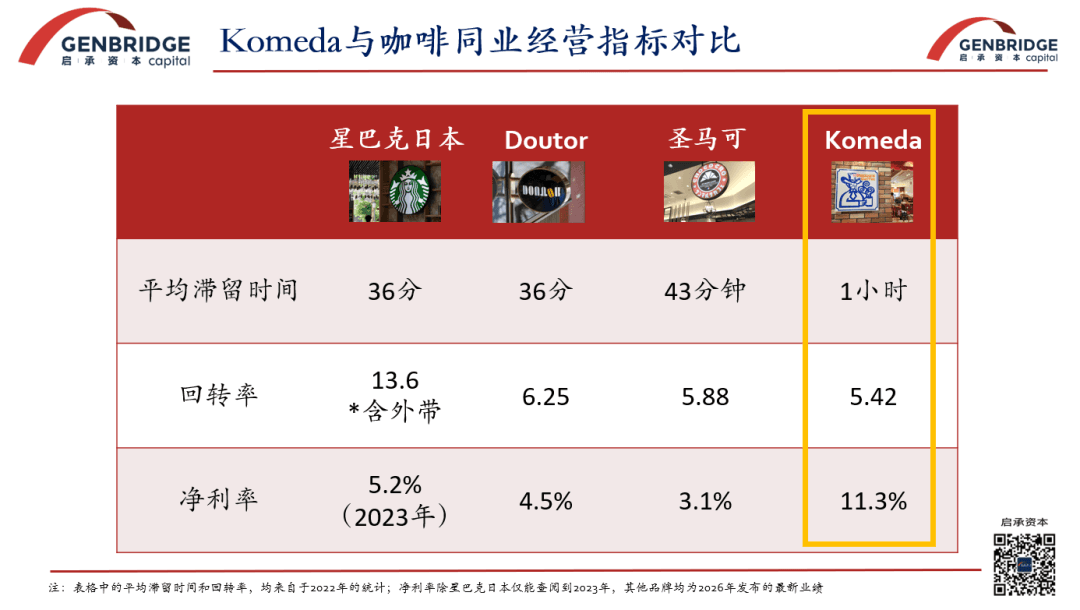
Despite this, Komeda has achieved exceptionally high efficiency: its table turnover is broadly in line with the industry average, while its net margin is three to four times that of its peers.
How has it achieved this?
The most direct reason is that its operating hours are long enough. Komeda is open from 7 a.m. to 11 p.m., covering almost all of people’s “waking hours”:
At seven or eight in the morning, elderly gentlemen with silver hair are flipping through the day’s newspaper.
At noon, nearby salespeople are heartily enjoying large plates of pasta.
In the afternoon, full-time homemakers gather to enjoy tea time, while high school students come together after school.
In the evening, there may be office workers who have just finished work sitting alone to empty their minds, or IT professionals sweating through overtime.
By stretching from early morning to late evening, Komeda broadens its customer base and improves table turnover.
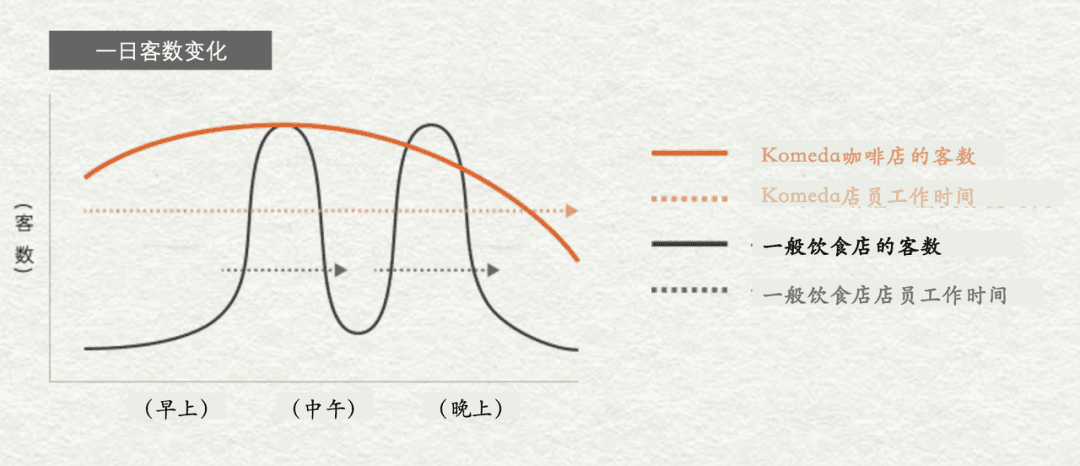
There are only two basic ways to improve profitability: either reduce costs or sell at higher prices. Let us look at how Komeda does both.
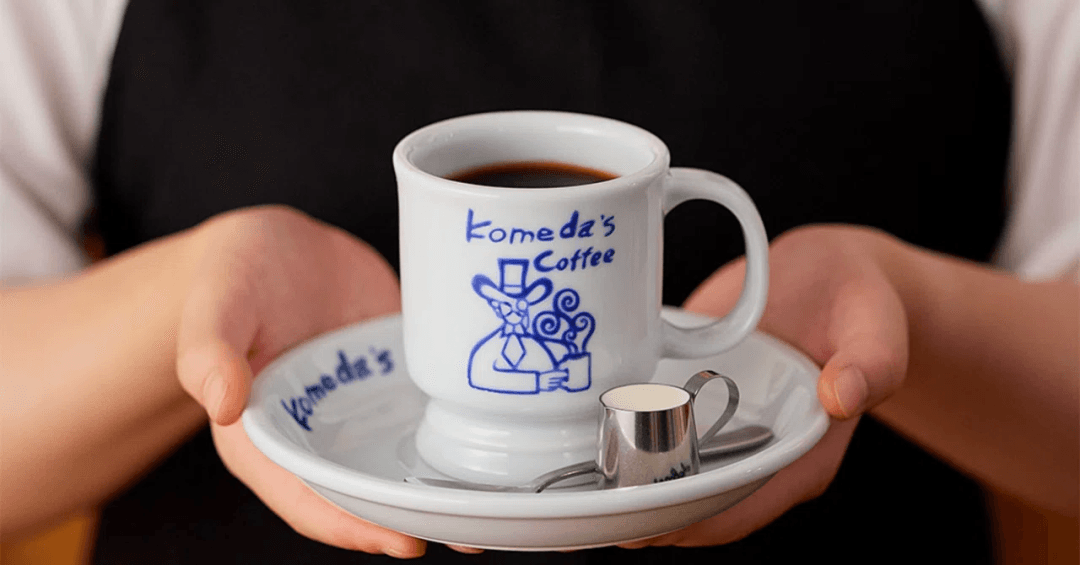
First, unlike specialty coffee shops that compete on beans and roasting, Komeda’s principle is: “The coffee we serve should suit everyone’s taste, rather than being limited to coffee geeks who truly understand coffee.”
Put simply, Komeda understands very clearly that since it serves the mass market, it does not need to pursue surprise and sophistication; it needs to pursue consistency and “not getting it wrong.”
By comparison, while industry competitor Starbucks typically offers around 30 coffee beverages and Doutor offers 15, Komeda has long kept its signature coffee drinks to fewer than 10. Fewer choices mean more concentrated demand, which naturally lowers operating costs and improves efficiency.
Logically, if the product itself is ordinary, it should be difficult to command a high price. Yet remarkably, Komeda’s average ticket size is actually much higher than that of other cafés.
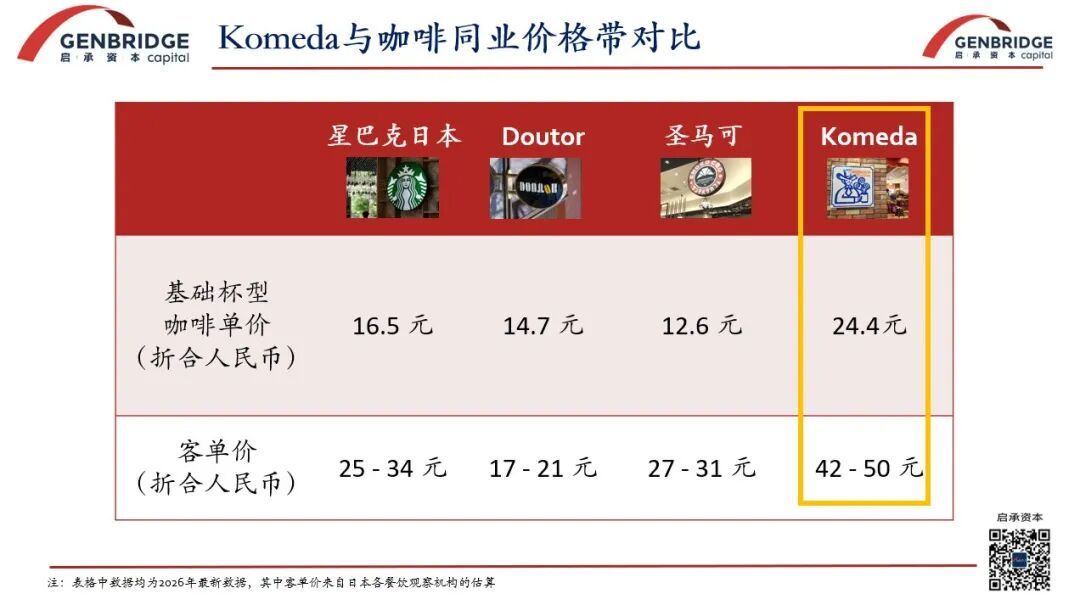
It is worth noting that Japan’s coffee industry has already gone through price wars, with convenience-store coffee priced at levels comparable to Luckin Coffee’s lower-priced offerings in China. If Komeda does not compete on taste, why is its average ticket size so high?
The differentiated appeal of its space, the service experience of manual ordering, and the complimentary breakfast all contribute to part of this premium.
Another reason is that most customers who come to Komeda order food in addition to coffee. If you look closely at Komeda’s menu, you will find that its main food items are largely high-carbohydrate, highly filling products, such as pork cutlet sandwiches and syrup-topped cream bread.
These foods are not expensive to produce, yet they provide calories comparable to a full meal. Although they cost more than ordering a cup of coffee alone, they remain highly cost-effective compared with a proper restaurant meal.
Moreover, these food items are simple to prepare, and the ingredients can be flexibly combined into different products. This greatly reduces supply chain complexity.
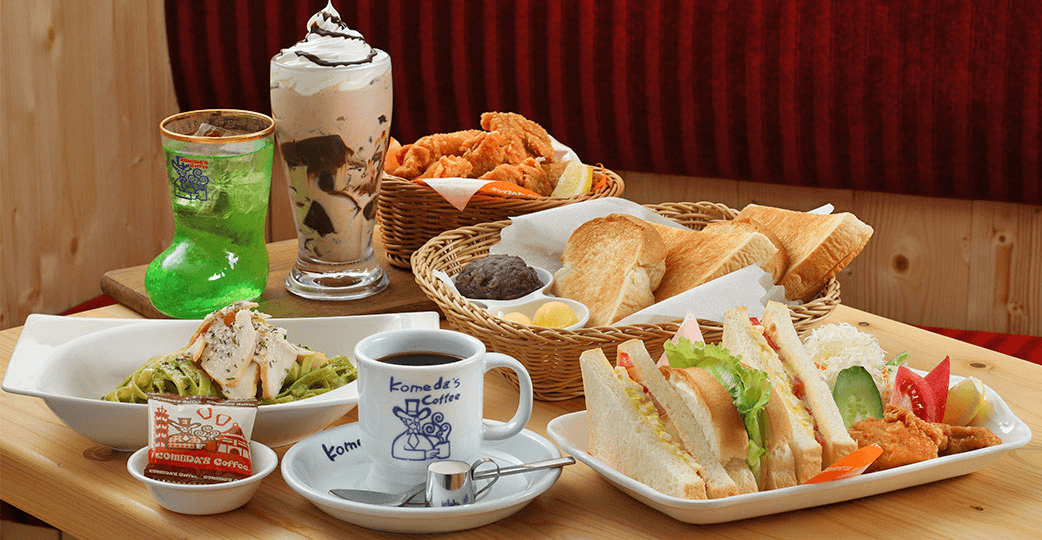
Like Saizeriya, Komeda is also an expert in pre-prepared products. The two highest-frequency and most profitable items in its stores—coffee and bread—are both produced and supplied directly by the group’s own factories.
The central factory brews the coffee and bakes the bread, then delivers the finished products to stores. As a result, stores only need to complete reheating and assembly. This greatly reduces reliance on professional baristas and pastry chefs, while also lowering labor costs.
At the same time, Komeda knows how to “grasp the big and let go of the small.” Headquarters controls the most critical aspects of ingredient procurement and production, while fully outsourcing heavy-asset, low-margin work such as logistics and delivery to professional third-party contractors.
Even more counterintuitively, under such a service-heavy and experience-driven business model, more than 90% of Komeda’s nearly 1,000 stores across Japan are franchised, and each franchisee is allowed to operate only one store.
It is worth noting that Starbucks Japan is fully company-owned, while Doutor, a comparable format, has a franchise ratio of no more than 50%. Why does Komeda have both the confidence and the capability to manage so many franchisees?
The answer, in one sentence, is “high entry barriers + high profit returns + headquarters control over critical links.”
As mentioned earlier, a Komeda store occupies 825 to 1,155 square meters and comes with an oversized parking lot. The cost of opening a new store is around JPY 70 million to JPY 100 million. Such a high investment threshold keeps out speculative followers and leaves behind more responsible operators.
In addition, the brand usage fee charged by Komeda is not the common revenue-based commission, but a small fixed fee calculated by the number of seats. All remaining profit is retained by the franchisee, giving franchisees stronger incentives to cultivate the business.
Because all production is handled by headquarters’ central factories, stores have little room to “freestyle” and must rely on the headquarters supply chain. This objectively preserves franchisees’ loyalty to headquarters and strengthens the level of standardized management.
As a side note, ordinary restaurant stores typically need to be renovated every five to 10 years. But because Komeda uses wooden floors and walls in its interiors, store renovation only requires sanding down all the solid-wood surfaces inside, significantly reducing both the capital and time costs for franchisees.
According to statistics, Komeda franchisees achieve a profit margin of around 15%. Compared with convenience stores, izakayas, and other formats that typically have only single-digit margins, Komeda ranks among the top tier in profitability.
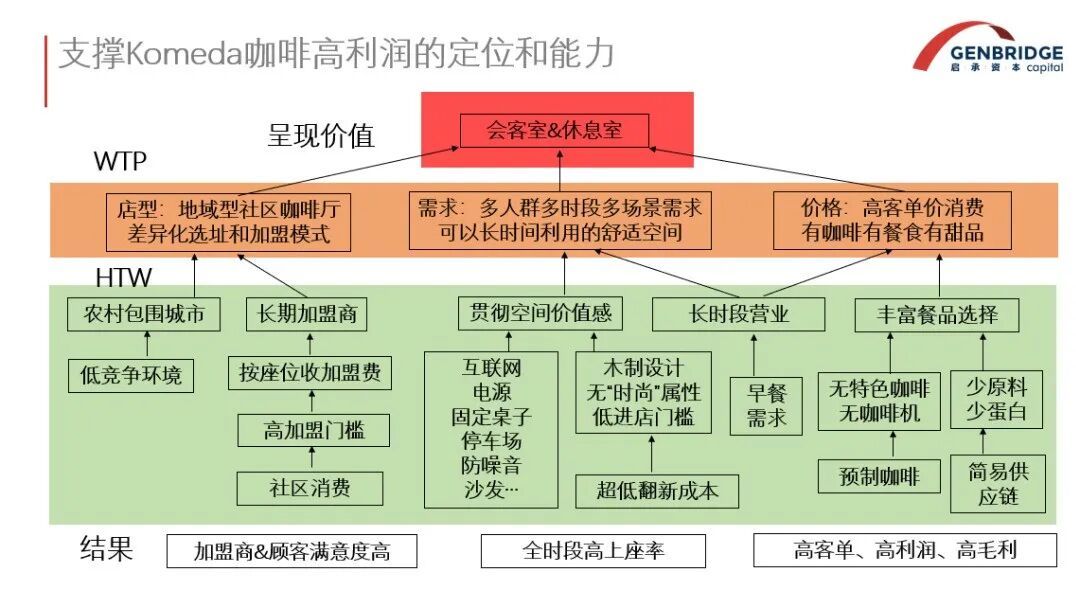
Knowing customer is the greatest competitive advantage
Since the essence of Komeda’s business is selling space, its greatest trump card cannot simply be large sofas or inexpensive toast. It must create a place where consumers genuinely feel “taken care of.” Achieving this places an exceptionally high demand on the brand’s ability to understand consumers.
In the design of its physical spaces, Komeda demonstrates deep empathy toward elderly and female customers, capturing the needs this group may have throughout the entire consumption journey.
For example, before entering the store, customers first need to park. To use space efficiently, large restaurants often favor a structure in which the first floor is elevated and used as a parking lot, while the second floor serves as the dining area.
But Komeda, despite its emphasis on efficiency, refuses to compromise on this point. If the first floor is used as a parking lot, it inevitably requires numerous thick reinforced-concrete pillars, which can create significant psychological pressure and make reverse parking difficult for elderly customers and some female customers who may be less confident drivers. Therefore, Komeda would rather sacrifice land-use efficiency than compromise the customer parking experience.
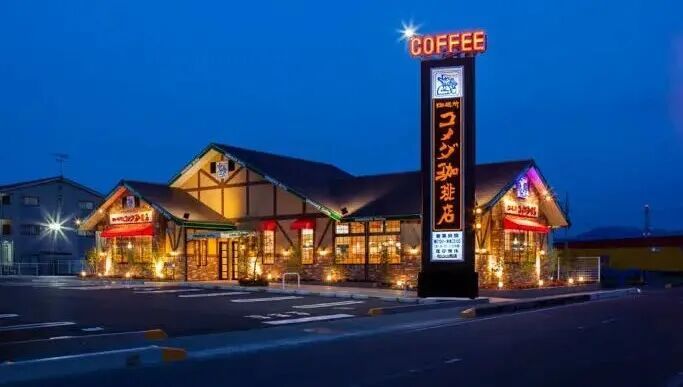
Next comes entering the store. Komeda was one of the first chain restaurant brands in Japan to fully introduce wheelchair ramps, removing barriers for elderly customers with limited mobility and people with disabilities from the very moment they enter.
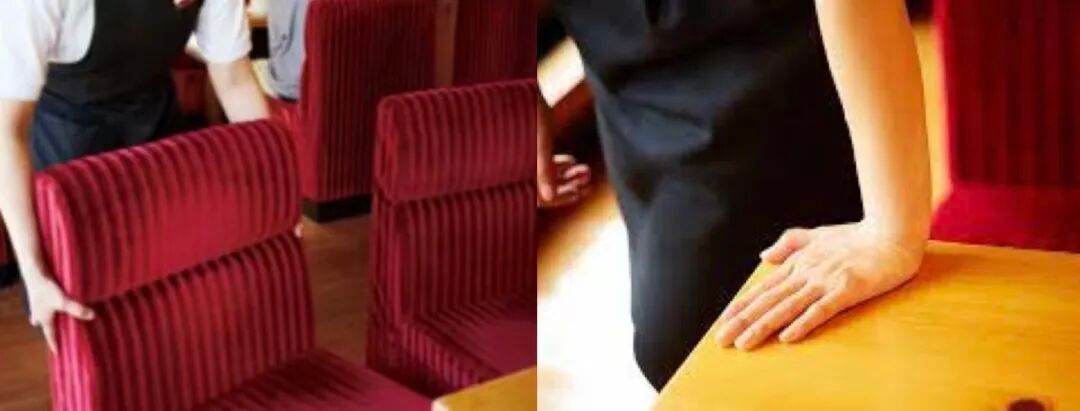
When customers find a seat they like and are about to sit down, they will discover that the seemingly heavy red velvet chairs can actually be moved easily with one hand. For elderly customers with limited mobility, sitting down or standing up often requires using the tabletop for support. To provide elderly customers with a stable sense of support, Komeda firmly fixes its dining tables to the floor to prevent accidents.
When chatting with friends in the store, even when the space is fully occupied, the surrounding environment does not feel noisy. This is because Komeda intentionally incorporates professional noise-control treatment and acoustic design during renovation, allowing the entire space to maintain a soft, undisturbed atmosphere while protecting customers’ conversational privacy.
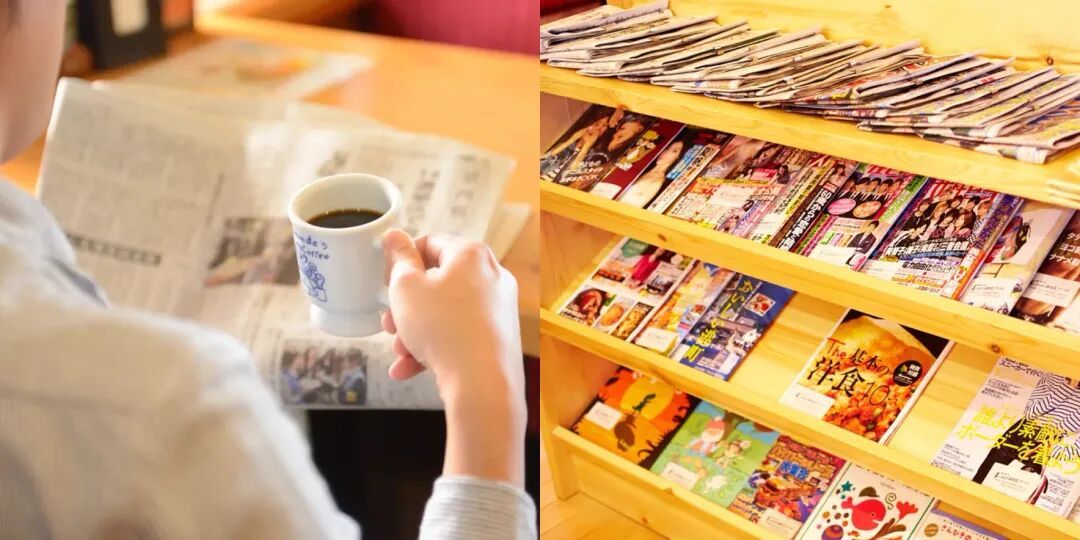
If customers come alone, they may walk over to the magazine and newspaper rack and choose something they like to read while passing the time. Komeda’s reading racks are never mere decorative props to create atmosphere; they are customized according to the needs of each store’s customers:
If there is a kindergarten or daycare center near the store, the bottom shelf will be neatly stocked with children’s picture books, making it easier for mothers with children to soothe restless kids. Stores in the Kansai region will deliberately stock extra copies of the Daily Sports newspaper, which leans toward coverage of the Hanshin Tigers. In Aichi Prefecture, where Nagoya is located, store owners may even prepare as many as nine copies of the Chunichi Sports newspaper every day, allowing local middle-aged men to keep up with the latest results of the Chunichi Dragons.
Of course, Komeda is not merely a “nostalgic space” serving middle-aged and elderly customers. It also knows precisely how to address the pain points of modern urban workers.
The internet speed in an ordinary café is usually around 20 to 30 Mbps, while Komeda’s speed reaches 100 Mbps. For IT professionals and freelancers who need to join online meetings at any time or handle large files, this smooth, lag-free internet experience provides the most practical and fundamental sense of security.
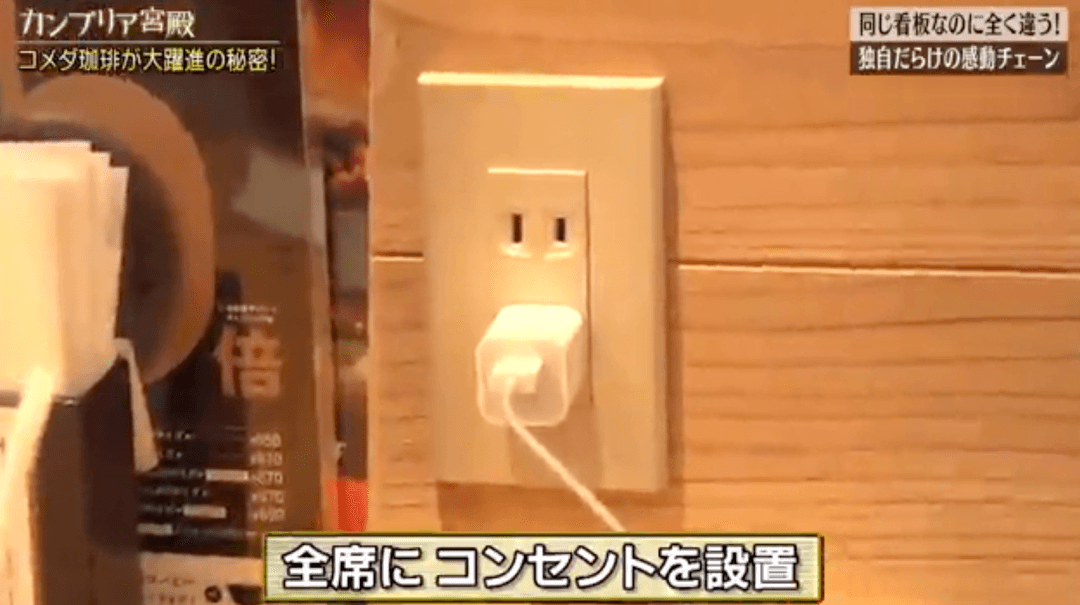

To preserve this sense of warmth akin to a community living room, Komeda has set rules from the very first step of selecting franchisees: local independent operators are given priority, and one person is usually not allowed to open multiple stores at the same time. The purpose is to build genuinely long-term and deep friendships with local residents.
Precisely because of this, Komeda enjoys exceptionally high customer loyalty. Imagine walking familiarly to your usual seat, not even needing to look at the menu, when a staff member already approaches with a smile and asks, “The usual today?” In Komeda’s history, there was even a legendary store manager who could remember the regular orders of more than 100 loyal customers purely by memory.
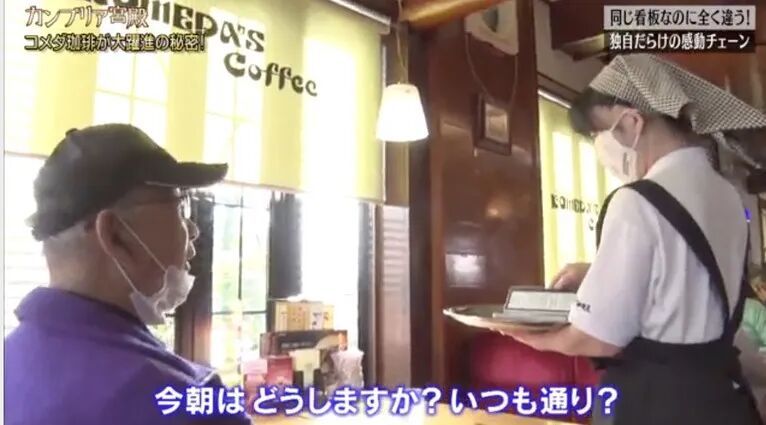
“What would you like this morning? The same as usual?”
Conclusion
In summary, Komeda appears on the surface to be a slow-paced space-and-experience business, yet in reality, it operates with remarkable efficiency.
A higher average ticket enables sales far above those of coffee peers; stronger value for money allows it to capture part of the full-meal occasion; on this foundation, Komeda locks in the bulk of its profits through highly simplified, standardized products and efficient self-owned factories; and through a sophisticated franchise model, it sheds the heaviest store assets and operations while making money by selling ingredients. This is Komeda’s profit magic.
Behind the business model, however, what is truly hardest to replicate is the brand’s deep insight into, and thoughtfulness toward, consumers.
In today’s modern foodservice era, where QR-code ordering is widely embraced and assembly-line efficiency is relentlessly pursued, this traditional, human-centered attentiveness creates emotional value, making consumers genuinely feel that they are being treated with care. Naturally, they come to willingly regard Komeda as a “second home” they want to visit every day.